
Sheth Jeebun elderly care leadership is becoming increasingly important as the world experiences rapid demographic change.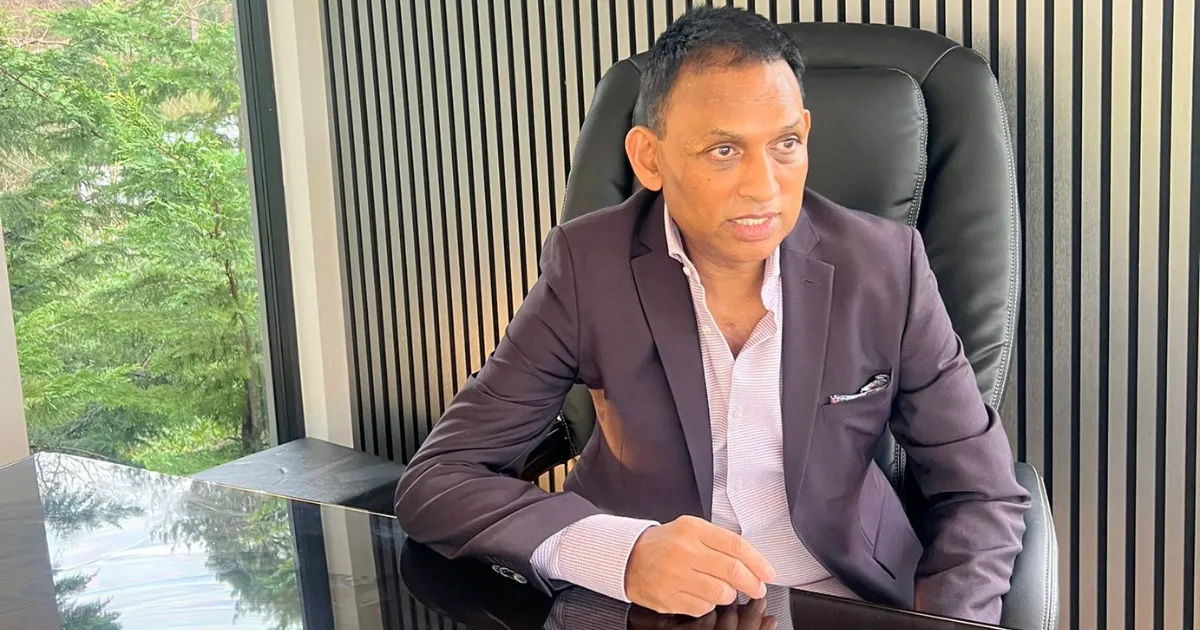
Populations are aging, family structures are evolving, and healthcare demands are shifting in ways never seen before. These changes are not only affecting individuals and families but also reshaping entire care systems globally.
Sheth Jeebun elderly care leadership highlights the need for adaptable, compassionate, and forward-thinking care models that respond to these trends.
As societies grow older and more diverse, the demand for personalized and sustainable care solutions continues to rise. Understanding how demographic changes influence care needs is essential for building systems that are both effective and humane.
Demographic Change
Demographic change refers to shifts in population size, structure, and distribution. These changes occur due to factors like birth rates, death rates, migration, and life expectancy.
One of the most significant trends is population aging. People are living longer due to advances in healthcare, nutrition, and living standards. While this is a positive development, it also increases the need for long-term care services. Sheth Jeebun elderly care leadership plays a key role in addressing these challenges by focusing on quality care for older adults.
Another important factor is declining birth rates. In many countries, fewer children are being born, which means fewer caregivers in the future. This creates pressure on healthcare systems and increases the need for professional care services.
The Rise of Aging Populations
The global population of people aged 65 and older is growing rapidly. This shift is transforming healthcare systems and increasing the demand for elderly care services.
Older adults often require more medical attention, support with daily activities, and social engagement. Sheth Jeebun elderly care leadership emphasizes the importance of providing comprehensive care that addresses physical, emotional, and social needs.
As people age, chronic conditions such as diabetes, heart disease, and dementia become more common. This requires specialized care and trained professionals who can manage complex health issues effectively.
Changing Family Structures
Traditional family structures are changing. In the past, extended families often lived together, and caregiving responsibilities were shared among family members. Today, nuclear families and urban lifestyles make this less common.
Many people live far from their aging parents, making it difficult to provide daily care. This increases reliance on professional caregivers and care homes. Sheth Jeebun elderly care leadership focuses on bridging this gap by offering reliable and compassionate care services.
Additionally, more women are entering the workforce, reducing the availability of family caregivers. This further highlights the need for structured care systems.
Urbanization and Its Impact
Urbanization is another key demographic trend. More people are moving to cities in search of better opportunities. While urban areas offer improved healthcare facilities, they also present challenges such as higher living costs and limited space.
For elderly individuals, city life can be isolating. Social connections may weaken, leading to loneliness and mental health issues. Sheth Jeebun elderly care leadership recognizes the importance of community-based care and social support systems to address these challenges.
In rural areas, access to healthcare services may be limited, making it difficult for older adults to receive timely care. This creates a need for mobile healthcare services and innovative solutions.
Increasing Life Expectancy
Life expectancy has increased significantly over the past few decades. While this is a positive development, it also means that people require care for longer periods.
Longer lifespans often come with prolonged health issues. This increases the demand for long-term care facilities and home care services. Sheth Jeebun elderly care leadership focuses on creating sustainable care models that can support individuals throughout their later years.
Preventive care is also becoming more important. Encouraging healthy lifestyles can help reduce the burden on healthcare systems.
The Growing Demand for Healthcare Services
As populations age, the demand for healthcare services continues to grow. Hospitals, clinics, and care homes are experiencing increased pressure to meet these needs.
Sheth Jeebun elderly care leadership emphasizes the importance of efficient resource management and skilled workforce development. Training caregivers and healthcare professionals is essential for maintaining high standards of care.
Technology is also playing a vital role in addressing these challenges. Telemedicine, wearable devices, and digital health records are improving access to care and enhancing patient outcomes.
Mental Health and Emotional Well-being
Demographic changes are not only affecting physical health but also mental and emotional well-being. Loneliness and social isolation are common among older adults.
Sheth Jeebun elderly care leadership highlights the need for holistic care approaches that include emotional support. Activities, social interactions, and counseling can significantly improve the quality of life for elderly individuals.
Mental health services must be integrated into care systems to ensure comprehensive support.
Cultural Diversity in Care Needs
Migration and globalization have increased cultural diversity in many societies. This diversity influences care preferences, communication styles, and healthcare practices.
Sheth Jeebun elderly care leadership focuses on culturally sensitive care. Understanding different traditions and values is essential for providing respectful and effective services.
Care providers must be trained to address the unique needs of diverse populations.
Economic Implications of Demographic Change
Demographic shifts have significant economic impacts. Aging populations can strain public finances due to increased healthcare and pension costs.
At the same time, there are opportunities for growth in the healthcare and caregiving sectors. Sheth Jeebun elderly care leadership encourages investment in these areas to create sustainable solutions.
Governments and organizations must work together to develop policies that support both caregivers and care recipients.
The Role of Technology in Modern Care
Technology is transforming the way care is delivered. From remote monitoring to artificial intelligence, innovative solutions are improving efficiency and accessibility.
Sheth Jeebun elderly care leadership supports the integration of technology into care systems. This includes using digital tools to monitor health, manage medications, and communicate with healthcare providers.
Technology can also enhance independence for elderly individuals, allowing them to live comfortably in their own homes.
Workforce Challenges in Care Services
One of the biggest challenges in the care sector is the shortage of skilled workers. As demand increases, there is a growing need for trained caregivers.
Sheth Jeebun elderly care leadership emphasizes workforce development and training programs. Providing education and support for caregivers ensures high-quality care services.
Improving working conditions and offering competitive wages can help attract more people to the profession.
Policy and Planning for the Future
Effective policies are essential for addressing demographic changes. Governments must plan for the future by investing in healthcare infrastructure and support systems.
Sheth Jeebun elderly care leadership advocates for policies that prioritize elderly care and support caregivers. Collaboration between public and private sectors is crucial for creating sustainable solutions.
Long-term planning can help mitigate the challenges associated with aging populations.
Community-Based Care Models
Community-based care is becoming increasingly important. These models focus on providing care within local communities, allowing individuals to remain close to their families and social networks.
Sheth Jeebun elderly care leadership supports the development of community programs that promote independence and well-being. These programs can include home care services, day centers, and social activities.
Community involvement is key to creating supportive environments for elderly individuals.
Personalized Care Approaches
Every individual has unique needs and preferences. Personalized care ensures that these needs are met effectively.
Sheth Jeebun elderly care leadership emphasizes the importance of tailored care plans. This includes considering medical history, lifestyle, and personal preferences.
Personalized care improves outcomes and enhances the overall experience for care recipients.
The Importance of Preventive Care
Preventive care plays a crucial role in reducing healthcare costs and improving quality of life. Regular check-ups, healthy diets, and physical activity can help prevent many health issues.
Sheth Jeebun elderly care leadership promotes preventive measures as part of comprehensive care strategies. Educating individuals about healthy living is essential for long-term well-being.
Adapting Infrastructure for Aging Populations
Infrastructure must evolve to meet the needs of aging populations. This includes accessible housing, transportation, and public spaces.
Sheth Jeebun elderly care leadership highlights the importance of age-friendly environments. Simple changes, such as ramps and handrails, can make a significant difference.
Urban planning must consider the needs of elderly individuals to create inclusive communities.
The Role of Families in Modern Care
Despite changes in family structures, families still play a vital role in caregiving. Emotional support and companionship are essential for elderly individuals.
Sheth Jeebun elderly care leadership encourages collaboration between families and professional caregivers. This ensures a balanced approach to care.
Providing support for family caregivers is also important, as they often face physical and emotional challenges.
Global Perspectives on Care Needs
Different countries face unique challenges based on their demographic trends. However, the need for effective care systems is universal.
Sheth Jeebun elderly care leadership promotes the sharing of best practices across regions. Learning from global experiences can help improve local care systems.
International cooperation is essential for addressing common challenges.
Future Trends in Care Services
The future of care services will be shaped by innovation and adaptability. New technologies, policies, and care models will continue to emerge.
Sheth Jeebun elderly care leadership focuses on staying ahead of these trends. Continuous improvement and innovation are key to meeting evolving needs.
Flexibility and resilience will be essential for navigating future challenges.
Conclusion
Demographic changes are reshaping care needs in profound ways. Aging populations, changing family structures, and increasing diversity are transforming how care is delivered and experienced.
Sheth Jeebun elderly care leadership plays a critical role in addressing these challenges. By focusing on quality, innovation, and compassion, care systems can adapt to meet the needs of modern societies.
The future of care depends on collaboration, planning, and a commitment to improving the lives of elderly individuals. By understanding and responding to demographic trends, we can build a more inclusive and supportive world for everyone.